
Icelandic Vs. Old Norse: How Similar Are They Today?

Author
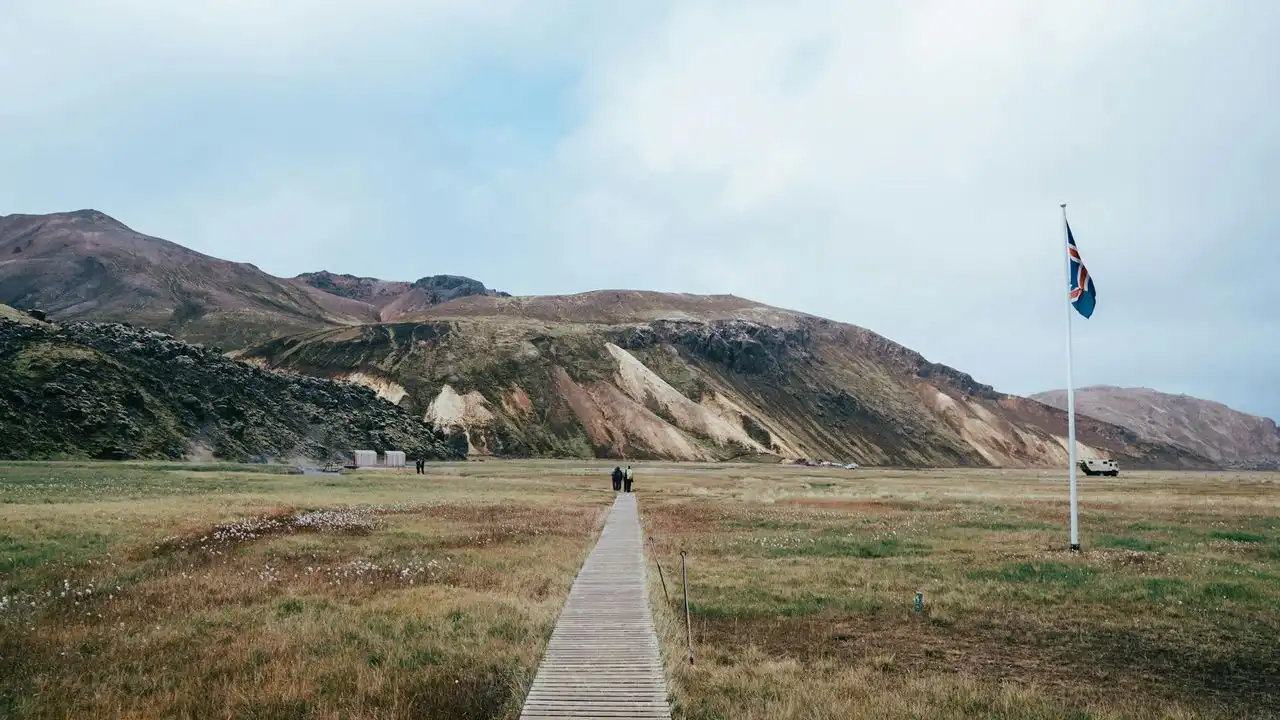
Modern Icelandic is the closest living relative to the ancient Old Norse language.
The language of the Vikings has barely changed in over a thousand years.
You’ll quickly notice the massive similarities between the two if you study them.
I’ll explain exactly how modern Icelandic compares to Old Norse today.
Table of Contents:
The preservation of Icelandic
Icelandic has changed incredibly little since the Viking Age.
This remarkable preservation is mainly due to Iceland’s extreme geographic isolation in the North Atlantic.
There was very little outside influence from other European languages for centuries.
The country also maintains a strict official policy of language purism.
Instead of adopting foreign loanwords, Icelanders create new words from ancient Viking roots.
This active effort keeps the core vocabulary firmly rooted in the past.
Reading Old Norse today
A common myth is that modern Icelanders can read original Old Norse flawlessly.
This statement is mostly true, but it requires a small amount of context.
An average Icelander can easily read and understand the ancient sagas.
However, modern editions of these texts usually update the spelling slightly.
Original Old Norse manuscripts lacked standardized spelling and used runic or medieval Latin letters.
Once an old text is printed using the modern Icelandic alphabet, comprehension is extremely high.
Pronunciation differences
Pronunciation is the area where Old Norse and Icelandic differ the most.
If a modern Icelander spoke to a Viking today, they’d struggle to understand each other at first.
Over the centuries, the vowel sounds in Icelandic underwent a massive shift.
Certain vowels completely changed their phonetic sound while retaining their original spelling.
| Letter | Old Norse Pronunciation | Modern Icelandic Pronunciation |
|---|---|---|
| á | ”ah” (long A) | “ow” (like in cow) |
| é | ”eh” (long E) | “ye” (like in yet) |
| ó | ”oh” (long O) | “oh” (like in boat) |
Consonant pronunciations also shifted over time.
Modern Icelandic introduced pre-aspiration, which is a breathy sound made right before certain consonants.
The rhythm and melody of the language sound noticeably different today than they did a millennium ago.
Grammar and vocabulary
Old Norse grammar and modern Icelandic grammar are practically identical.
Both languages use a complex system of four grammatical cases.
These cases dictate how nouns, pronouns, and adjectives change their endings based on their role in a sentence.
Both languages also conjugate verbs in very similar ways.
The spelling of base vocabulary remains incredibly similar as well.
| English Word | Old Norse Spelling | Modern Icelandic Spelling |
|---|---|---|
| Horse | hestr | hestur |
| Sun | sól | sól |
| House | hús | hús |
Modern concepts are given newly constructed Icelandic names rather than English loanwords.
A good example is the word for computer, which is tölva.
This word combines the old words for “number” (tala) and “prophetess” (völva).

Ég er með nýja tölvu.
This creative approach allows the language to adapt to modern life without losing its Old Norse identity.
Best resources to learn Icelandic
Learning modern Icelandic gives you direct access to the history and world of Old Norse.
There are several great tools available to help you master the language today.
The absolute best way to learn the language is with Talk In Icelandic.
Our platform focuses on getting you to speak and understand real, conversational Icelandic quickly.
We break down the complex grammar into simple, manageable pieces.
You can also supplement your learning with university resources like Icelandic Online.
This free course by the University of Iceland offers solid reading and grammar practice.
Ultimately, consistent practice with spoken audio is the key to mastering modern pronunciation.
